
In the first 7 days after an MPCB show-cause notice or closure direction, do four things: read exactly what the board is asking, find out why the plant failed, start the fixes you can make at once, and send a factual reply backed by evidence and a dated plan. Speed matters, but evidence matters more. This guide covers the operating side; for the legal reply, work with your environmental consultant or lawyer.
What is the difference between a show-cause notice and a closure direction?
A show-cause notice asks you to explain why action should not be taken; a closure direction is the action. The usual sequence is an inspection or monitoring alert, a show-cause notice, a hearing and then directions. The MPCB lists its powers as issuing notices with time limits to comply, closure of the defaulting unit in grave cases, and prosecution in serious violations.
Under Section 5 of the Environment (Protection) Act, 1986 and Section 33A of the Water Act, 1974, regulators can direct a unit to shut down and have its electricity and water supply disconnected. A closure direction therefore needs immediate legal and technical work. A show-cause notice gives you the chance to show that the problem is understood and being fixed before it gets there.
What should you do on day 1?
Read the notice line by line and list every point the board raises: the parameter that failed, the date of sampling, the conditions of your consent it refers to, and the date by which you must reply. Note the reply deadline first. Then collect your Consent to Operate, the last few months of lab reports, the plant logbooks and any earlier correspondence with the board.
- Name one person who owns the response and keeps all documents.
- Inform your environmental consultant or lawyer and your O&M contractor, if you have one.
- Do not stop operating the plant unless a direction requires it; an STP or ETP that stops makes the discharge worse.
- Photograph the plant as it is today, before any repairs, so you can show the change later.
Days 2–3: how do you find out why the plant failed?
Get an engineer to audit the plant against the parameters the board raised. The audit checks the tanks and civil condition, pumps, blowers and motors, instruments and control panels, and the treatment process, and samples the inlet and outlet to see how far the plant is from its design and consent values. The common findings are failed or undersized aeration, dosing systems out of calibration, fouled membranes, accumulated sludge and missing records.
Also check whether the plant is overloaded. A plant receiving more flow or load than it was designed for cannot meet its limits however well it is run, and the fix is different from a maintenance problem. Navbharat Water offers a free plant health audit with a written report in 2 days; see the AMC and O&M page.
Days 3–5: what fixes can you start straight away?
Start the fixes that restore treatment quickly and can be shown with evidence: repair or replace tripped blowers and pumps, clean clogged diffusers, recalibrate dosing pumps, remove accumulated sludge, and restart the logbooks. Keep invoices, job cards and before-and-after photographs for each one.
Separate these quick fixes from the larger work, such as added capacity or a process upgrade, that needs design and time. The board will want to see both: what you have already done, and a dated plan for the rest. Take fresh outlet samples after the quick fixes so the reply can include new lab results.
Days 5–7: what goes into the reply?
A strong reply is short, factual and supported by documents. It explains what went wrong, what has been fixed with dates and evidence, what remains and by when, and who is responsible for running the plant from now on. A credible compliance plan with firm dates and a contractor engaged carries far more weight than a request for time.
- A summary of the cause found in the audit.
- A list of work completed, with photographs, invoices and job cards.
- New lab results taken after the fixes.
- A dated plan for remaining work, signed by the contractor doing it.
- The O&M or AMC arrangement that will keep the plant running, and the records it will keep.
- A request for a hearing if the notice provides for one.
What evidence helps after the reply?
Keep the plant running to the plan and keep the records the reply promised. If there is a hearing, bring the updated logbooks, lab reports and progress against the plan. Boards decide on what they can see. A plant with daily logs and regular lab results is in a far better position than one that can only describe what it did.
How do you stop it happening again?
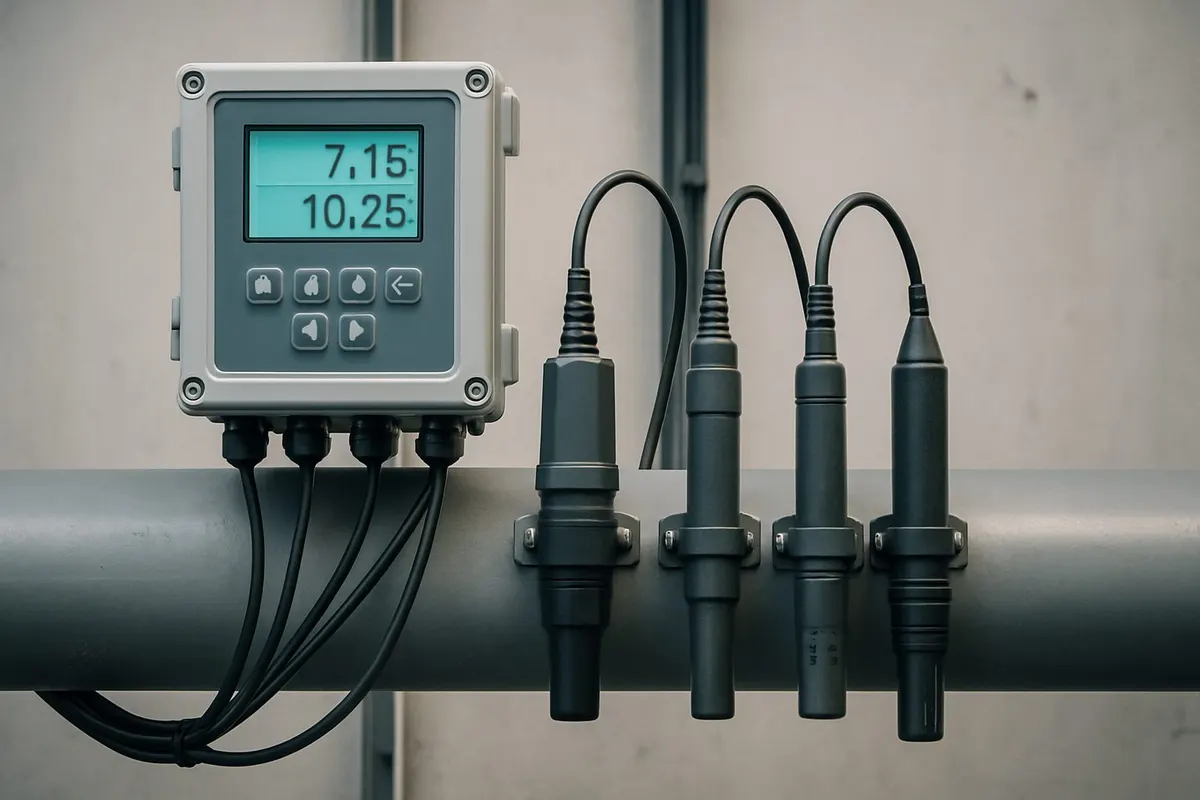
Put the plant under a written O&M or AMC contract with stated lab testing and records, and watch it between visits. Remote monitoring such as AquaVigil sends an alert when outlet pH or TSS goes outside consent limits, when dissolved oxygen drops or when a pump trips, so the problem is fixed before the next sample is taken. It also keeps a log of every reading and alert, which is useful evidence at the next inspection.
Frequently asked questions
Can we ignore a show-cause notice if the plant is now running?
No. A show-cause notice asks you to explain why action should not be taken, and it carries a time limit. If you do not reply, the board can move to directions without hearing your side. Reply in time, and show what you have fixed with evidence.
What is the difference between a show-cause notice and a closure direction?
A show-cause notice is a warning that asks for your explanation before any action. A closure direction is the action itself: it can order the unit to stop operating and have its electricity and water supply disconnected. A closure direction needs immediate work with your consultant and lawyer.
Who should sign the reply to the board?
The occupier, which is the company for a factory and the managing committee for a housing society, through an authorised signatory. The reply should be factual and supported by lab reports, photographs and the contractor's written plan.
Does a new O&M contractor help with the reply?
It helps when the contractor gives you a written audit, a dated rectification plan and an operating record from the day it takes over. Boards give more weight to a credible plan with a contractor engaged than to a request for more time.
Is this legal advice?
No. This guide covers the operational steps a plant owner can take. For the legal reply to a notice or direction, and for any appeal, work with an environmental consultant or lawyer.