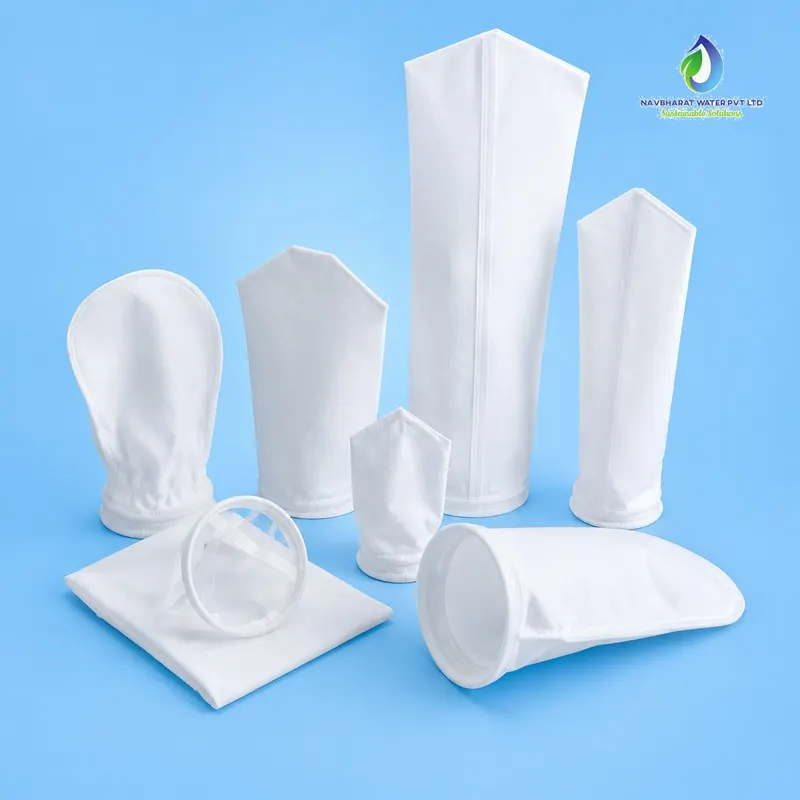
NWPL TPF High Temperature Filter Bag
Filter Bags Manufacturer in India · Mumbai HQ, ships across India
196–260 °C · Aqua regia resistant · Anti-oxidation
Engineered for extreme working conditions. Resistant to strong acids, alkali, and aqua regia. Excellent anti-oxidation and anti-corrosion properties for high-temperature industrial filtration.
Specifications
| Material | Special high-temperature composite |
|---|---|
| Max Temperature | 196–260 °C |
| Bag Sizes | Size 1 (7″×16″) · Size 2 (7″×32″) |
| Features | Strong acid, alkali & aqua regia resistant · anti-oxidation · anti-corrosion |
| Brand | Navbharat Water (NWPL) |
| Country of Origin | Made in India |
| Certification | ISO 9001:2015 |
Where it's used
- Water & Wastewater Treatment
- Pharmacy
- Food & Beverages
- Paints, Coatings & Glue
- Petrochemical Engineering
- Electronic Technology
- Metal Processing
- Automobile Making
Related solutions
What it is and when to use it
The NWPL TPF high-temperature filter bag is built for extreme duty: rated 196–260 °C and resistant to strong acids, alkalis and aqua regia. Use it where polypropylene and polyester bags fail, such as hot aggressive chemicals, oxidising streams and high-temperature process liquids.
TPF bags use a special high-temperature composite with excellent anti-oxidation and anti-corrosion properties. The combination of heat resistance and broad chemical resistance means one bag can often handle a stream that would otherwise need a compromise between a PP bag (chemically tolerant but temperature limited) and a PE bag (heat tolerant but weaker against alkalis).
Because the material is more specialised, the TPF bag costs more than standard felt bags, so it earns its place on duties where PP or PE would fail early or pose a safety risk. It fits the standard Size 1 (7″×16″) and Size 2 (7″×32″) formats. For hot service, also confirm that the housing, seals and gaskets are rated for the same temperature.
Use it for
- Continuous liquid temperatures beyond the PE rating, up to 196–260 °C
- Strong acids, alkalis or oxidising chemicals, including aqua regia
- Streams where temperature and chemical attack occur together
- Critical duties where a bag failure would be costly or unsafe
How to choose
- Confirm peak and continuous temperature, including any excursions
- List all chemicals present, including oxidisers and solvents, for a compatibility check
- Verify that the housing body, seals and bag clamp are rated for the same temperature
- Choose Size 1 or Size 2 to match the housing
- Compare the cost per change-out against PP or PE bags that may need more frequent replacement
Frequently asked questions
What temperature is the NWPL TPF filter bag rated for?
The TPF bag is rated for 196–260 °C, the highest of the NWPL bag range. PE bags are rated 130–150 °C and PP bags 90–100 °C. Remember that the whole filter assembly must be rated for the same conditions, so check the housing, gaskets and seals as well as the bag.
Which chemicals can the TPF high-temperature bag handle?
According to NWPL product data, the TPF bag resists strong acids, alkalis and aqua regia, and has excellent anti-oxidation and anti-corrosion properties. That covers most aggressive industrial liquids. For unusual solvents or mixed chemistries, share the full composition and operating temperature with our team so we can confirm compatibility.
Is the TPF bag worth the extra cost over PP or PE bags?
It is when a standard bag would degrade quickly, or when a failure would release solids downstream or create a safety hazard. On hot or aggressive duties, a PP or PE bag may need frequent replacement or fail without warning. Compare the total cost of bags, labour and downtime rather than the price per bag.
Technically reviewed by Prashant Dwivedi, Co-Founder & Director ·